The BC government has mandated a fixed date to end the sale of gasoline powered vehicles. How does that impact our strata?
Updated Feb 2026: Council has approved the preparation for an Electrical Planning Report and EV Ready Report, from A&R Electric. This report is in progress. The Electrical Planning Report is required by law later this year. The EV Ready Report is not required by law, but is substantially reduced in cost by pairing it with the Electrical Planning Report, and is a wise step to ensure we do not overload our grid.
The British Columbia government in 2019 passed the Zero-Emission Vehicle Act. The ZEV Act requires automakers to meet an escalating annual percentage of new light-duty ZEV sales and leases, reaching: 10% of light-duty vehicle sales by 2025, 30% by 2030 and 100% by 2040.
This means that by 2040, which isn’t all that far away, no more new gasoline-powered vehicles will be sold. The reality is that adoption of EVs will be much earlier.
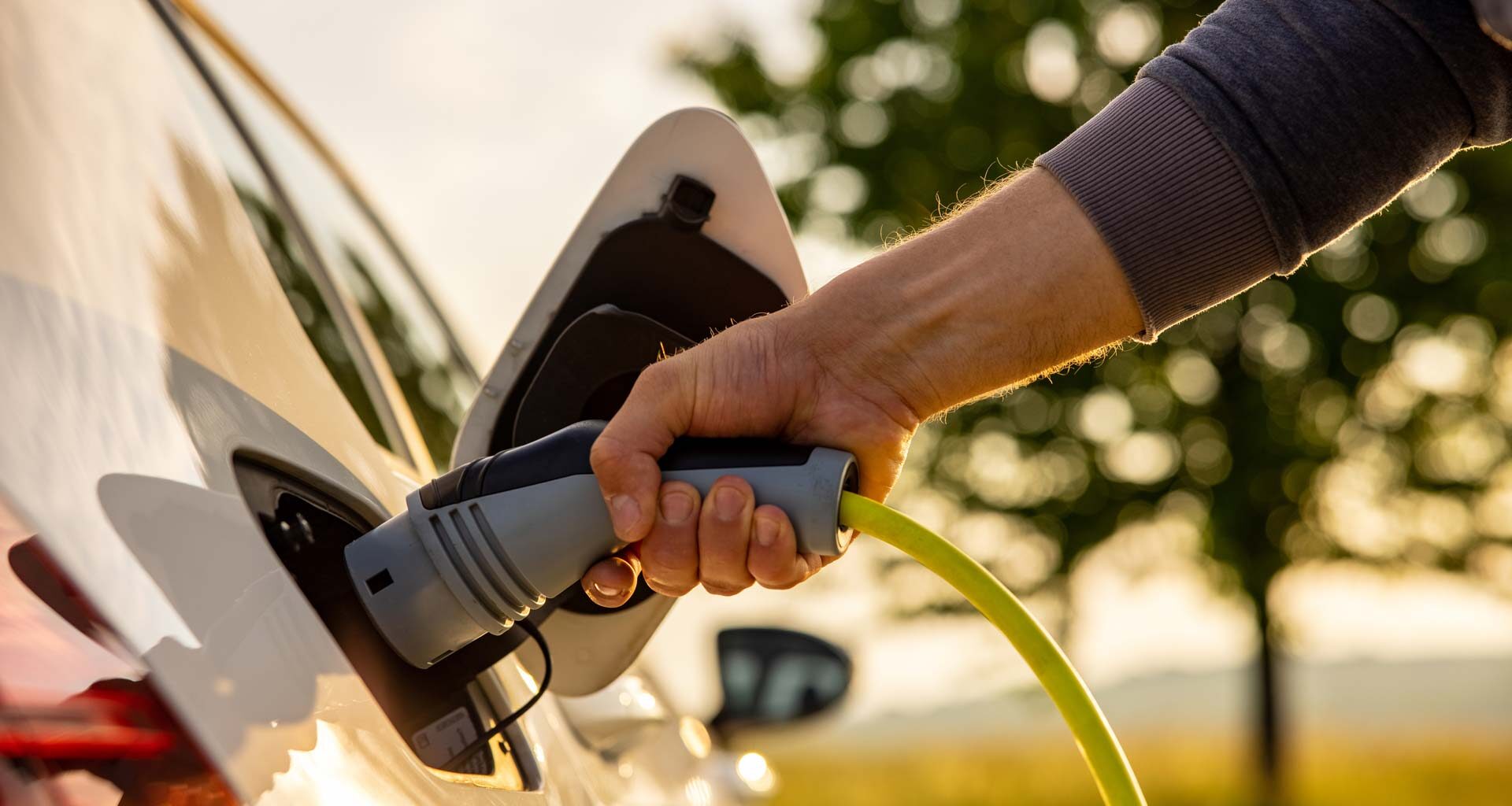
Currently our complex has 8 electric vehicles. That’s about 7% of units represented. It’s conceivable that over the next 2-3 years we’ll see that number double or even triple. Unfortunately, as this number increases the demand on the electrical infrastructure of the entire property will increase dramatically, and cause issues for owners unless steps are taken in advance.
Imagine if all owners in Windsor Garden had an EV. The amount of peak electrical demand would greatly exceed the power we have available. There isn’t enough capacity to our property to support that demand. In short, the entire complex would be out of power.
But it doesn’t even take that much to cause severe problems. If even a third of the units have an EV, the peak demand of all those vehicles charging at once would mean that all the units would face brownouts and even power outages.
What’s the solution?
The solution is to be proactive before it becomes a problem. We can set up a smart power distribution system that governs electrical demand throughout the complex. As demand ebbs and flows, the system distributes demand accordingly to units so that people can still cook and run their laundry utilities and other things without interruption, even as vehicles get charged. The system intelligently slows down the EV chargers when demand is high, which isn’t generally a problem because they will still be fully charged by morning.
The previous strata council had already started a process of investigating this issue, calling for a proposal from Division 16 Technologies which would have led to an owner survey as the first stage.
We hope that the new strata council doesn’t drop the ball on this and makes an effort to continue planing for the future. There are concerns that they are so opposed to spending any money on anything that they will do nothing in this area, and we’ll suddenly find ourselves in an emergency when the power fails because of a lack of planning.
This post is also available in: