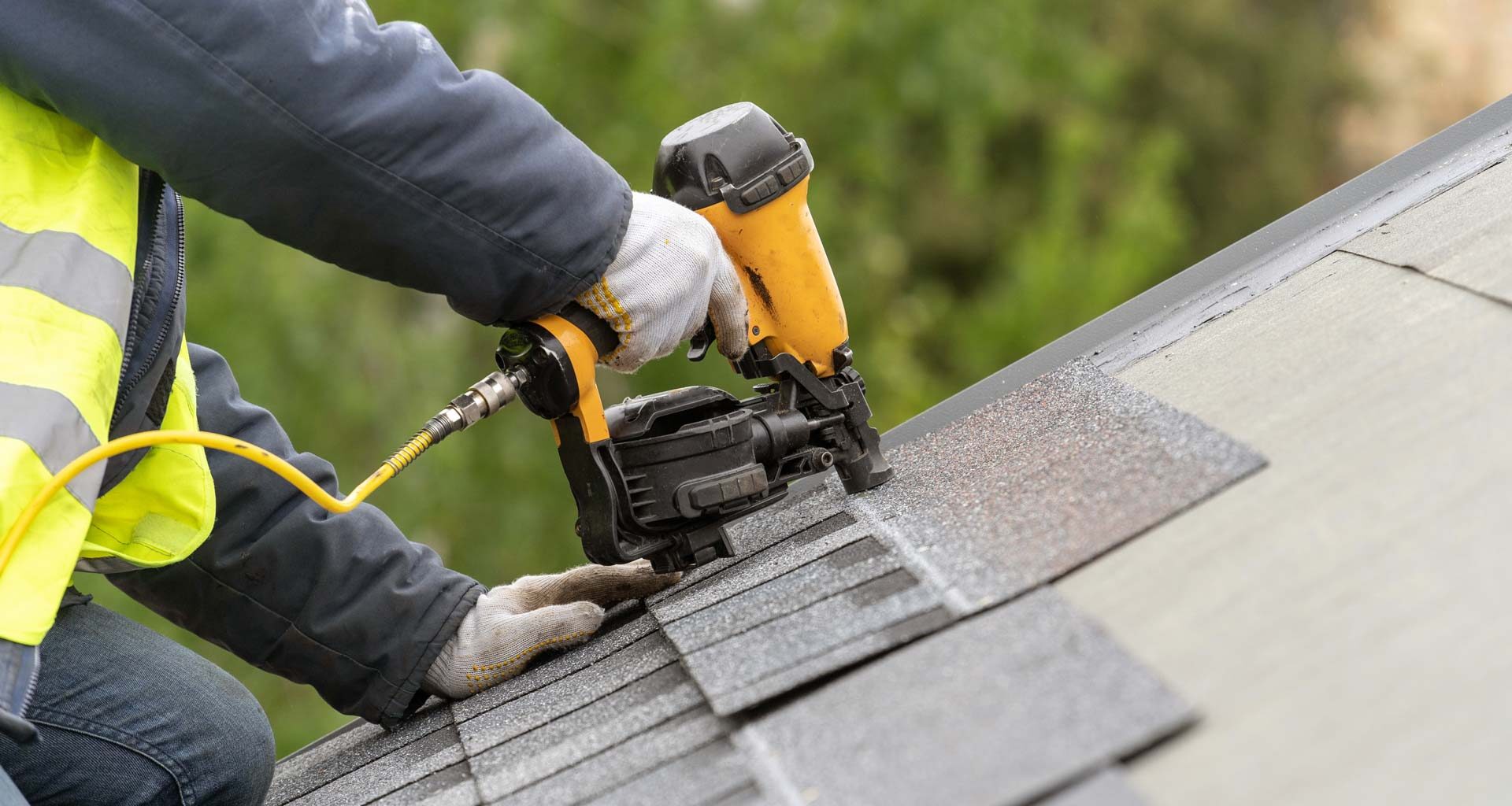
One thing that should be clear to everybody is that the roof was not properly replaced in 2017, and we have had many issues with it since.
Let’s take a quick look at what happened in the past to understand where we are today.
A previous council recommended that the roof be replaced, as it was reaching its end-of-life. The council got quotes from legitimate roofing companies. A majority of the owners at that time not only rejected the proposal, but threw out the council. Why? In short, they didn’t want to spend the money. This action was driven by some owners who had their own ideas. The new council put forward a revised proposal that was considerably cheaper. The reason it was cheaper was that they were hiring one of the owners, who was not a licensed roofer but a simple handyman. Of course it was cheaper!
The old saying “you get what you pay for” proved itself once again. Did you know, for example, that there are many kinds of shingles, even ones that claim a long warranty? Some become brittle within a couple of years, causing them to snap when winds lift the leading edge. Others are made with material that collects moisture, leading to excessive algae and moss growth. This becomes even more critical when the shingles are not installed correctly.
In our case, almost everything that could be done wrong in roofing was done wrong.
One serious issue is the way shingles are placed across the valleys instead of using flashing. While it’s not inherently bad to run shingles across the valley, it must be done with a lower shingle crossing the entire valley and the one overlapping it to be cut along the direction of the valley, allowing water to run off the top shingle and down the valley where gravity is directing it. Unfortunately, the handyman cut corners and didn’t cut the overlapping shingle. This allows water to run under the shingles and onto the underlay, where it softens the paper and eventually damages and ultimately rots the plywood underneath. Once that happens, which can take several years, you get flooding on a major scale.
In addition, there is not enough overhang along the edges, allowing water to run down behind fascia boards, leading to rot. Just looking up at the roof you can see where some shingles have no overlap whatsoever, while others do have the right overlap.
Plus, the flashing installed around vents and openings like skylights was not installed correctly.
And also contributing to the issue, to save time, the handyman didn’t cut overlapping shingles on the same row. Because shingles are not designed to overlap horizontally, this causes wind, over time, to pull the top shingle. A quick look at the roof will immediately show that there are already thousands of shingles that are lifting up due to wind storms. They are already allowing water through but eventually they will become cracked and broken, and/or pulled off entirely.
Previous Councils attempted to sue the handyman because of these issues. To do so, they needed an official roof deficiency report. As it turned out, by the time all this was completed, lawyers advised council that the cost of a lawsuit was considerable and the chance of winning (for a number of reasons) was very low, so the effort was abandoned.
Unfortunately, now that the roofing report existed, it created a number of new and unexpected challenges. Insurance companies are highly risk averse. Because of the deficiency report, many of them were unwilling to insure the property.
Council authorized a council member to look for an agency that might provide a more reasonable quote. He found one agency that went to bat with underwriters and has provided affordable insurance, but that price was based on an understanding that the roof would be repaired before the next insurance renewal date.
It is in our best interest to have it replaced expeditiously. If we do nothing, the same insurance problems we faced before may well come up again.
We have found an agency that went to bat with underwriters for affordable insurance, but the low price was dependent on repairing the roof in the next year.
It’s true that the roof hasn’t cost the strata a lot of money. However, several units have had leaks and damage inside their units and many more are to come. Repairs on the inside of a unit come out of the individual owner’s pockets or their insurance; these cannot be covered by the Strata even if they are caused by failures of common property. The point is that this should not happen with a 5-year-old roof. The deficiencies are consistent throughout the complex, and any unit could have a leak. We cannot predict where it will happen next.
The roof needs to be done well before a roof would normally need to be replaced. Once this is complete, our property values will increase, and other things will settle down.
This post is also available in: