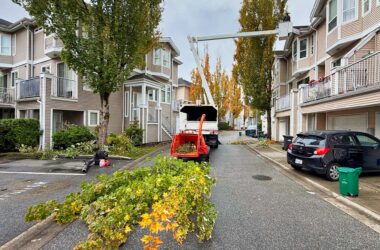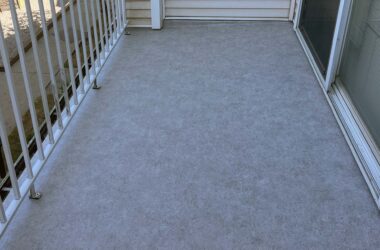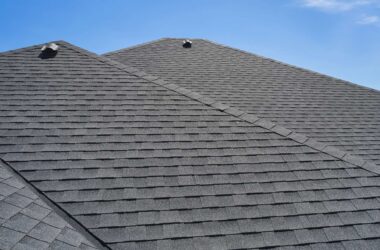
Owners of Windsor Garden received a notice of an upcoming SGM for Sept 2026. For most, it was likely unexpected, and you may be wondering why these items were brought up now instead of waiting for the next AGM. Here are some insights to help you understand what this is all about.
Recently, the Civil Resolution Tribunal ruled on a case that has been in progress for some two years, regarding an owner who felt he was being treated unfairly in connection with a storage shed he had placed behind his unit. His complaint was that, due to council actions at the time, other units with similar storage and modifications to property were being allowed while he was denied. The CRT ruled that he was not actually treated unfairly, but they also recognized that councils of the strata had not been enforcing the storage bylaws properly.
The CRT ordered Windsor Garden to immediately enforce storage bylaw 11, and ordered the Strata Council to hold an SGM within 90 days of the ruling to have owners vote on a unit that had attached a privacy wall at their back patio (a second unit has a similar structure but was not specifically identified in the ruling).
This meant council had to hold the SGM. There was no choice. However, council also felt that there were some ways to avoid future cases of what would certainly become an ongoing problem.
Changing Designation of Some Common Areas
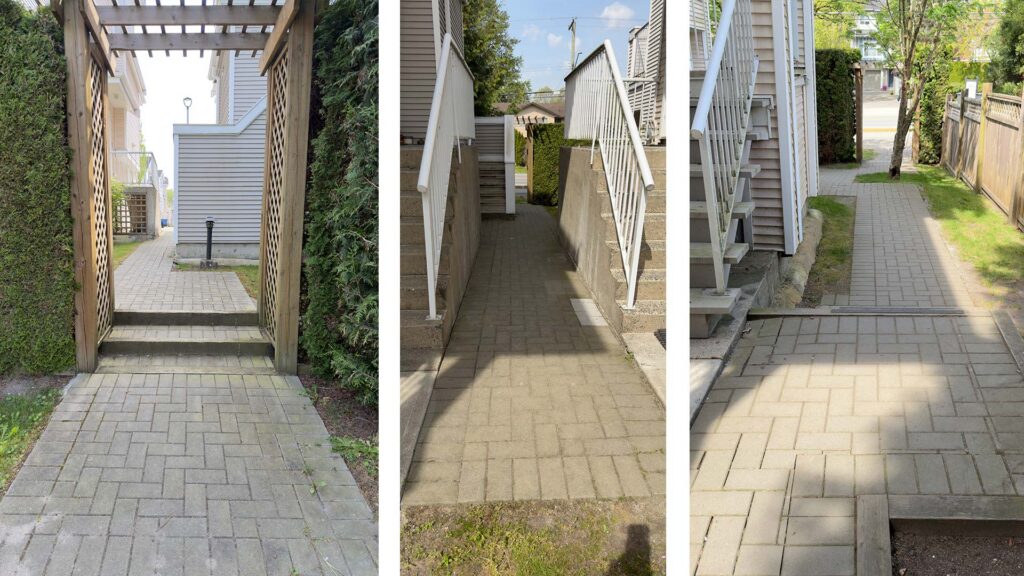
You see, the existing strata plan designated all the ground floor patio areas as “Common” Property rather than “Limited Common” Property. This designation means that any change to the appearance requires a vote by the owners at an SGM or AGM, with a 3/4 vote majority necessary. Even putting up a temporary lattice wall is legally viewed as a change of appearance, and thus can’t just be approved by council. It needs the approval of most owners.
Learn more about the potential impact between Common Property and Limited Common Property.
At the same time, it was noted that patio areas do not provide any privacy options for owners. Because they are Common Property, any owner can use anyone else’s patio area at any time.
It was appropriate to use the SGM as an opportunity to change that designation so that owners had at least some privacy potential for their patio areas. So a vote was added to the SGM to change that designation so that in the future, other requests for a privacy wall of any kind would become a council decision rather than an owners decision.
It was also noted that the garage pads in front of many units were also designated as Common Property. In essence, this means that any owner can park in any of these spaces, even blocking your garage! To remove that potential, it made sense to include a similar vote to change that designation.
Changing Definition of Red Brick to Paving Stones
At the same time, it has been noted for some time that the original bylaws called for “red brick” to be used in the event that an owner wanted to change the gravel in their patio area to something else. Although it was originally recommended, red brick is not actually found anywhere in the complex. It clashes with the look of the architecture. The bylaw does allow council to decide on the type and color of brick, which has been done to create a consistent look. But since there were already resolutions for this SGM referring to the patio area, it also made sense to officially change that reference to “paving stones.”
What About the Roof Replacement Resolutions?
At the AGM in the spring, the roof issue came up once again, as it does in every meeting due to the poorly installed roof we have been struggling with for nearly 10 years now. At the end of the meeting, owners indicated that they wanted to see a multi-year option for replacing the roof, to help minimize the cost. Council has been aware of that and followed a process to get there.
First, council asked a roofing company to investigate one attic space in each of the 27 buildings, to see if leaks are actually an issue. We know what the outside of the roof looks like. There have been numerous professional reports about the workmanship and issues. But we didn’t know how that translated to actual leaks on the inside, and this was a great way to find out.
The roofers went a step beyond at no charge. In addition to the single video of the attic space, they went up onto each roof and detailed what they saw across the entire building, providing videos with commentary.
Every roof has leaks. Vents, which should be replaced when a roof is replaced, were not changed during the last project, so we have hundreds of original vents, many of them rusting into deformed husks. Leaks are prevalent around vents and skylights due to incorrectly placed flashing.
Surprisingly, despite all the leaks, there are only three attics that showed severe impact on the inside. Others showed areas where leaks were having some impact. A map was drawn up based on the video evidence, identifying three levels of urgency.
Because owners paid for the inspections, they have the right to see the results. If you’re an owner at Windsor Garden, please get in touch to request access to the videos.
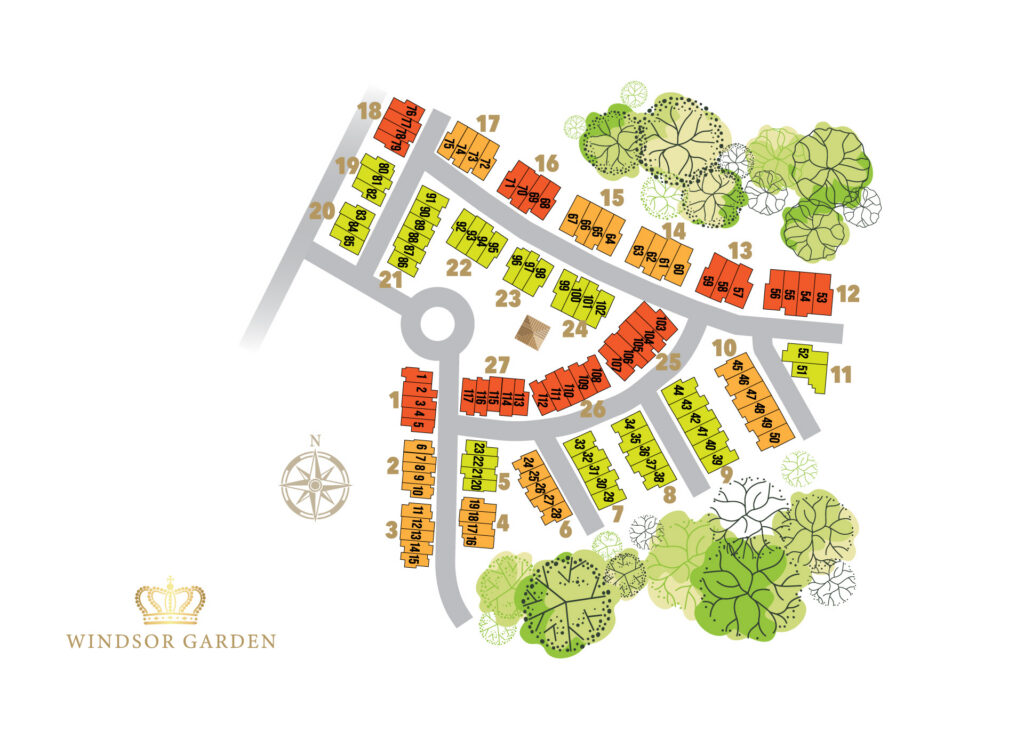
Three Different Time Period Options
Three options are presented: single year roofing project, dividing it over two years (red and orange buildings would be combined in year one), or dividing it over three years. An additional 10% was added to each of years two and three to allow for inflation. The longer terms also involve some additional administrative costs. It is possible that unexpected issues such as tariffs could have an additional impact.
The budget was based on a quote received from one company. Four additional quotes have been requested.
The project includes a full replacement of the gutters, downspouts, and vents in addition to the roof replacement. Each of the vendors being asked to quote has a good reputation, offers a 10-year workmanship warranty, an even longer warranty on shingles, and has been vetted through a certification system such as RoofStar or GAF.
This post is also available in: